Where Canada and US tariffs could go next, and how to be ready
Nobody can forecast the next tariff, but the moments when rules change are known. The dates worth watching, the three kinds of change, and five ways to be ready without guessing.
By the Othermile team
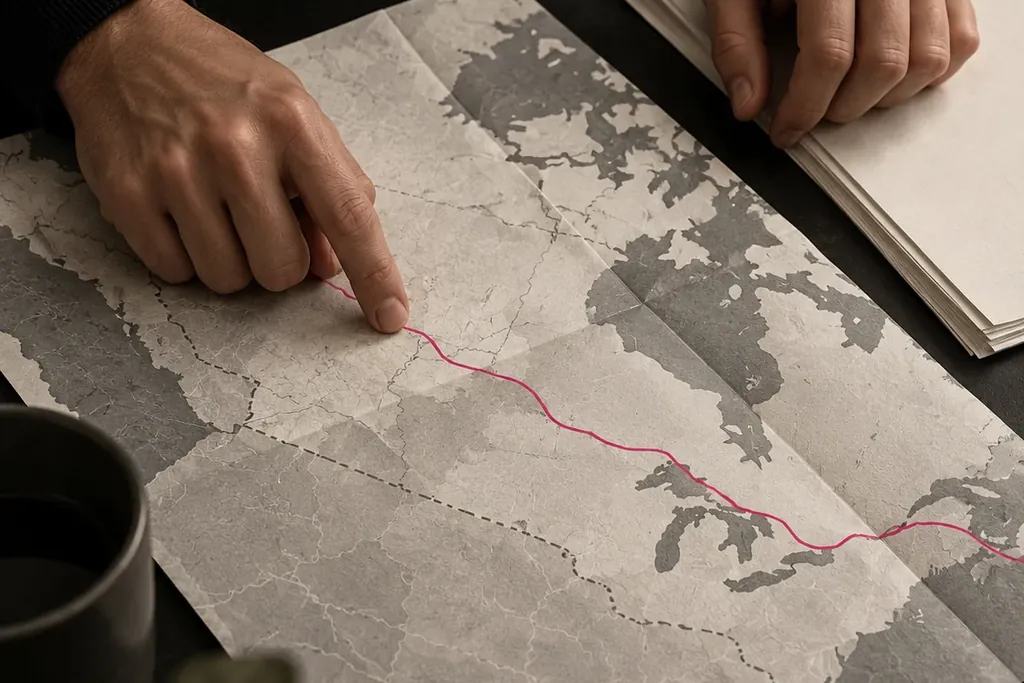
Short answer: nobody can tell you exactly what the next tariff will be. But the moments when rules tend to change are known, and a store that watches them and plans for two or three outcomes rarely gets caught out.
The dates worth knowing
- The CUSMA joint review. The agreement asks the three countries to review it six years after it started, which was 2026. If all three confirm it, it runs for another 16 years. If not, it moves to yearly reviews, and the uncertainty lasts longer. Whatever happens, goods that qualify under CUSMA have so far stayed spared from most new tariffs, so the paperwork is worth getting right.
- October 1 every year. The US adjusts its customs user fees, including the processing fee on formal entries, for its new fiscal year.
- Start and end dates written into orders. Canada's surtax orders and remission orders often carry dates, and US notices usually say when a tariff starts. Othermile's rules carry those dates, so an announced change shows up before it starts.
- New investigations. US Section 232 investigations into a product, such as lumber or trucks, have often led to tariffs a few months later.
Three kinds of change, and what each does to an order
| Change | What it does | Who feels it first |
|---|---|---|
| A new tariff on a country | Adds a percentage to everything made there | Stores selling goods made in that country, whatever they ship from |
| A tariff on a product | Adds a percentage to that product from almost everywhere | Stores selling metal, wood, car parts and similar goods |
| A change to the parcel rules | Changes which parcels owe anything at all | Every store sending small orders |
How to be ready without guessing
- Know where each product is made. Most new tariffs follow the country of origin. Write it down for every product once.
- Run a what if. Ask what your margin looks like if the tariff on your main supplier's country went up by 10 points. Othermile's Trade what ifs do this for manufacturers and importers; for stores, the free audit shows today's cost by product.
- Leave room in your Canadian and US prices. A small buffer on cross border shipping, or a duties included rate at checkout, absorbs a change while you decide.
- Watch the products you sell. Free tariff alerts email you when a tariff on a product you pick starts, ends or changes, and when one is announced.
- Keep a backup route. A second print provider or warehouse on the other side of the border can turn a costly crossing into none at all.
What we do not do
We do not forecast tariffs, and nobody should sell you a forecast as a fact. Othermile reads the official rules every morning and tells you what is in force and what has been announced, with the source and date. The tariff tracker shows how costs have moved so far.
Check your own numbers
- One parcel: the free border fee checker.
- Your store's last 90 days: the free border cost audit.
- Every order, before it ships: Othermile checks each one against your limits and holds the costly ones for your OK.
These are estimates from the official rules, not customs advice.
This guide explains public rules in plain language for general information. It is not customs, tax or legal advice; the exact tariff code, your paperwork and the carrier decide the final amount.
See what your own orders cost at the border.
Start freeOr try the free checker, or get an email when the rules change
Keep reading

How the tariffs between Canada and the US started: a timeline for online sellers
From a mostly duty free border to metals tariffs, the end of duty free parcels into the US, a court ruling and new country tariffs. What happened, in order, and what each step means for a small store.
What is a tariff code, and how do you find yours?
The number customs uses to say what a product is, and the one that decides the duty. How the digits work, common examples, and four steps to find the right code for each product.

Duty, tariffs, sales tax and brokerage: every charge at the border, explained
A parcel can carry up to five charges at the border. Who sets each one, what it is based on, who pays it, and which ones you can avoid.